Daria Tsukali
Product Designer · UX/UI
I’ve been designing interfaces since 2019 and working in product design since 2023. I take projects from user interviews and hypotheses all the way to final designs and a design system. Open to roles in any industry. I work remotely from Bishkek, English B2.

Insights++
NDA- Role
- Product Designer
- Team
- Head of Product, frontend developers, data scientists
- Format
- Full-time, Quantum One
- Date
- 2026
- Stack
Result
The platform has been released, and some clients are already using it
Context
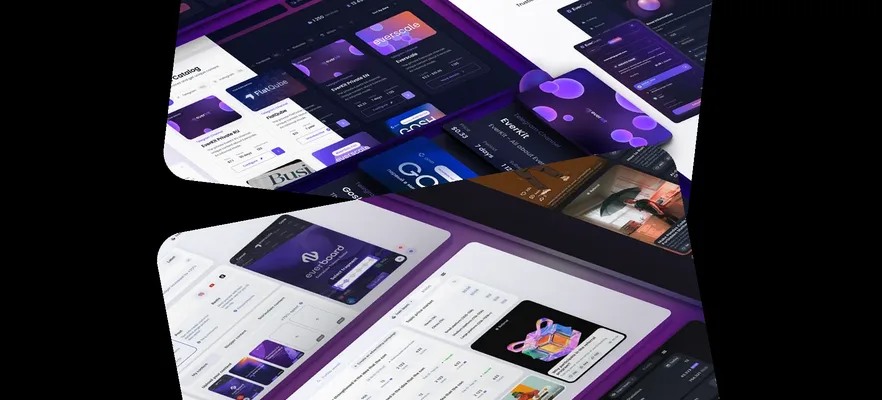
Quantum One builds an AI platform for industrial companies in the UAE. On it, the AI gathers news about the market and competitors for the client, along with comparison reports and lists of experts.
I joined the project when the head of product had already worked out the concept and part of the interface, and my job was to bring the interface to a state where it could be built and handed over to clients.
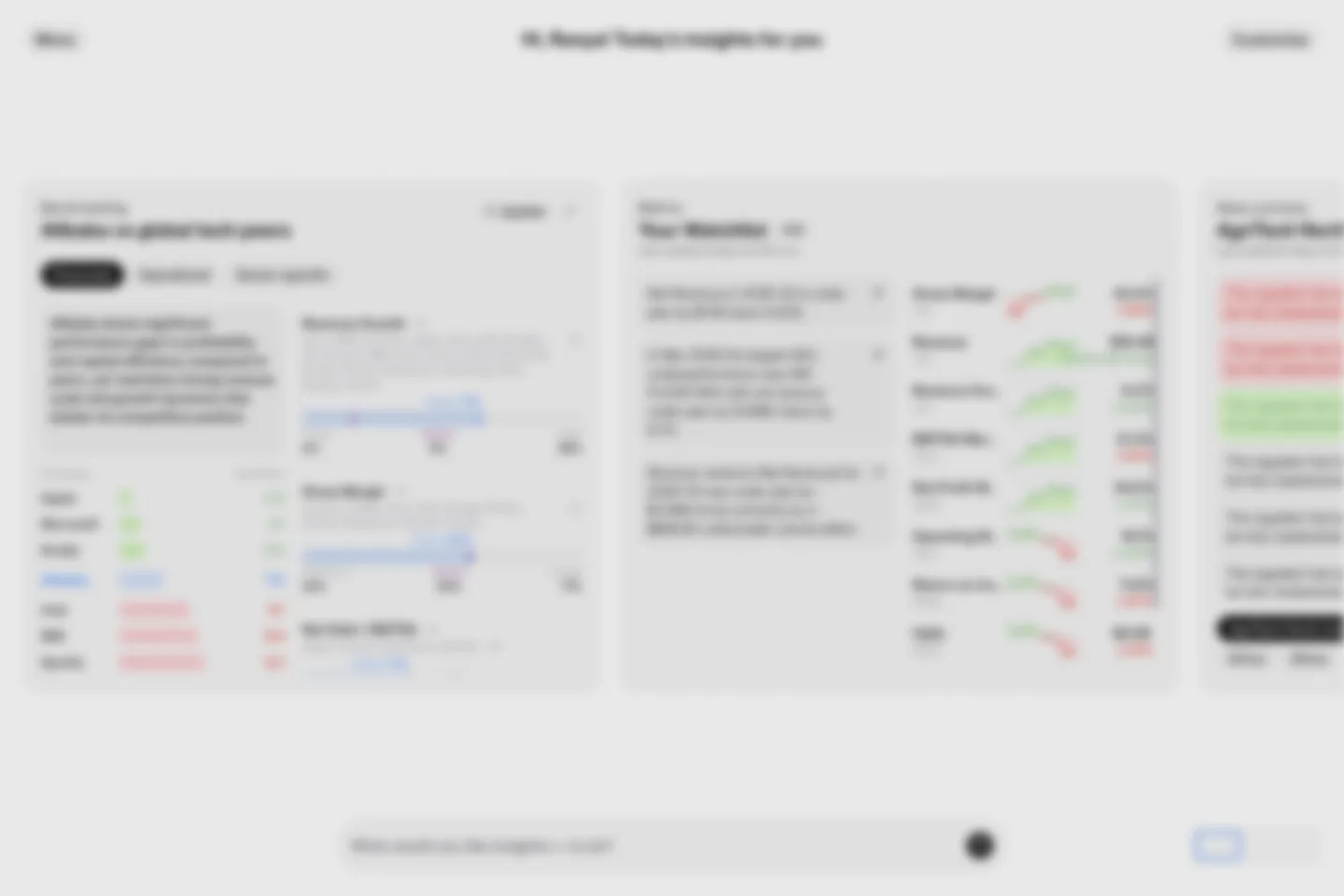
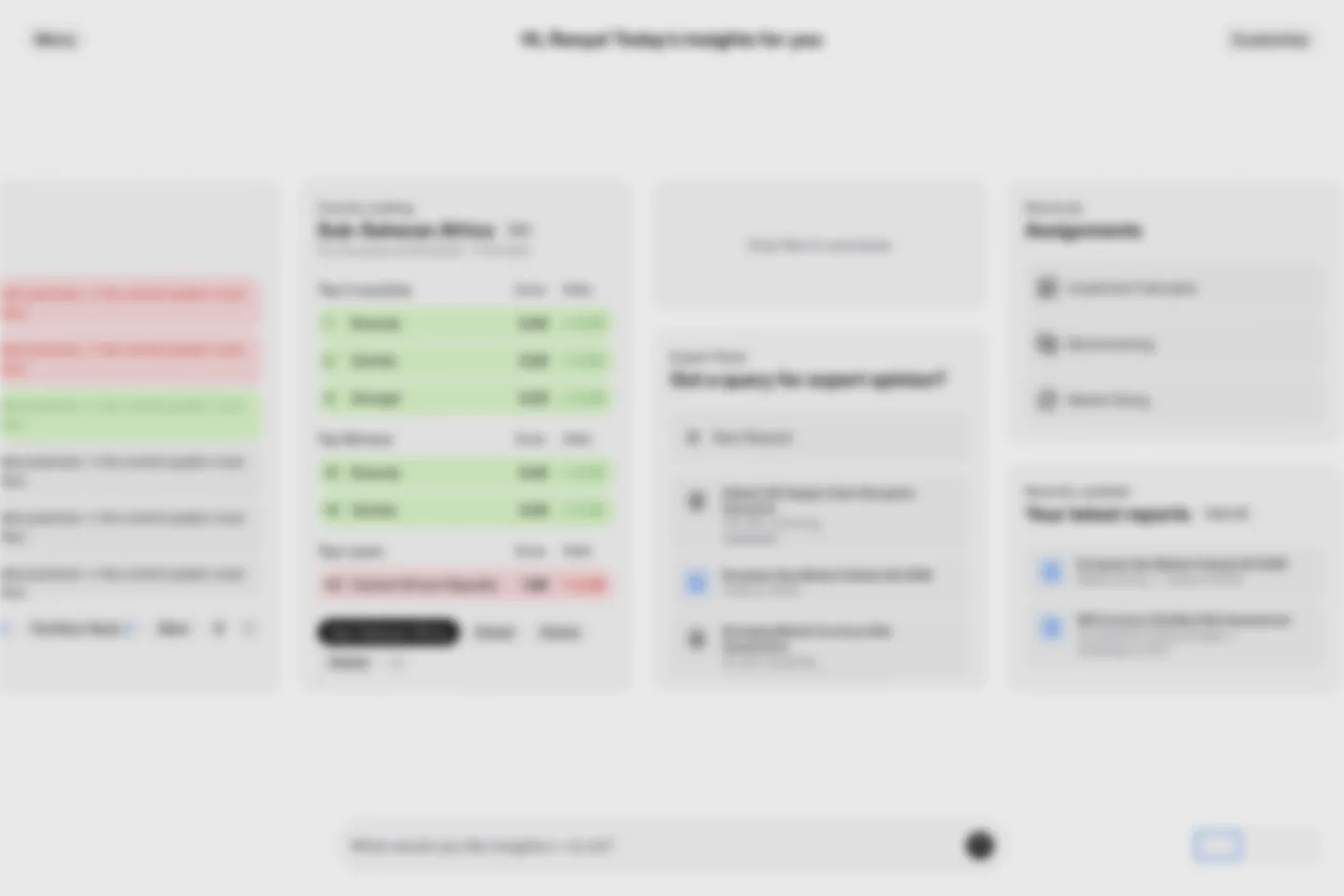
Screenshots are blurred because of the NDA.
From tasks to widgets
Clients brought in a lot of tasks, and the first thing we did was boil them down to three user roles. The tasks didn’t map to roles one to one: two roles could need the same scenario in different forms. A separate interface for each role would have meant three parallel products that don’t scale.
So I described each task as a widget that handles it. If a similar widget already existed, I extended it, and if not, I built a new one. When two or three roles need a widget with different functionality, the developers turn on the right parts with role flags, and no duplicates show up in the interface. The result is a shared set of widgets with one core and different functionality for each role.
An interface with AI
This was my first project where the AI in the interface acts as the user’s conversation partner. For example, in the news widget the user picks a company and a region, and the AI finds news and explains what’s good in it, what’s bad and what happened at competitors.
The model returns plain text, and the design task was to decide how long an answer should be, what hierarchy it needs, how to separate fact from interpretation and how to show the source. There were no ready-made patterns for this, so the head of product and I worked out the format together, discussing and reworking options. A lot of decisions depended on the data scientists, because what data the model could return and in what form shaped the interface as much as the clients’ tasks did.
Design system
When I joined the company, I built a token-based design system from scratch in Figma and Storybook. I made it for the whole company, so I built scaling into the tokens, from phones to the large screens on factory floors. On this project, new widgets were put together from ready-made components without restyling anything by hand, and the time went into logic rather than styling.
Result
- Three roles and dozens of tasks came together in a shared set of widgets instead of three parallel products
- The design system built from scratch became the foundation for all new widgets
- Presenting the model’s answers became a design task of its own, and we worked out the format for it ourselves
 Under NDA
Home: each widget covers its own task
Further along the feed: a country ranking, a request to experts, assignments and the latest reports
The news widget is set up by region, product and keywords
A comparison report: every number shows its confidence and how it was calculated
The agent builds a comparison in the chat, with key takeaways on the metrics next to it
A country ranking: takeaways as text above the map
Asking experts: the agent finds people in internal and external networks